

Everyone in the energy space has been talking about Andy Burnham’s first-day VAT cut on electricity. But amid the headlines, another landmark policy quietly made its way through parliament on Keir Starmer’s last day: plug-in solar power is officially coming to the UK.
Technically, this happened via a statutory instrument that was laid on 17th July 2026 and comes into force on 27th August 2026.¹
While it got lost in the daily news cycle, this is a massive win for consumer energy independence, and a huge leap forward for anyone who has previously been locked out of the energy transition.
What is plug-in solar?
We’ve talked about this before, but here’s a brief recap.
Until now, generating your own solar power meant navigating a slow, expensive process:
Owning a roof or garden.
Forking out thousands of pounds upfront.
Hiring a certified electrician for a complex and costly installation.
From next month, that changes.
Under the new regulations, households will be able to buy compact solar panels, set them up on a balcony or outdoors, and plug them directly into a standard wall socket (via a separate piece of hardware called an inverter). Any energy generated flows straight into your home circuit, instantly lowering your reliance on the grid and powering your running appliances when it’s sunny.
For renters, flat owners, and anyone on a budget, this opens up clean energy in a way we haven't seen before.
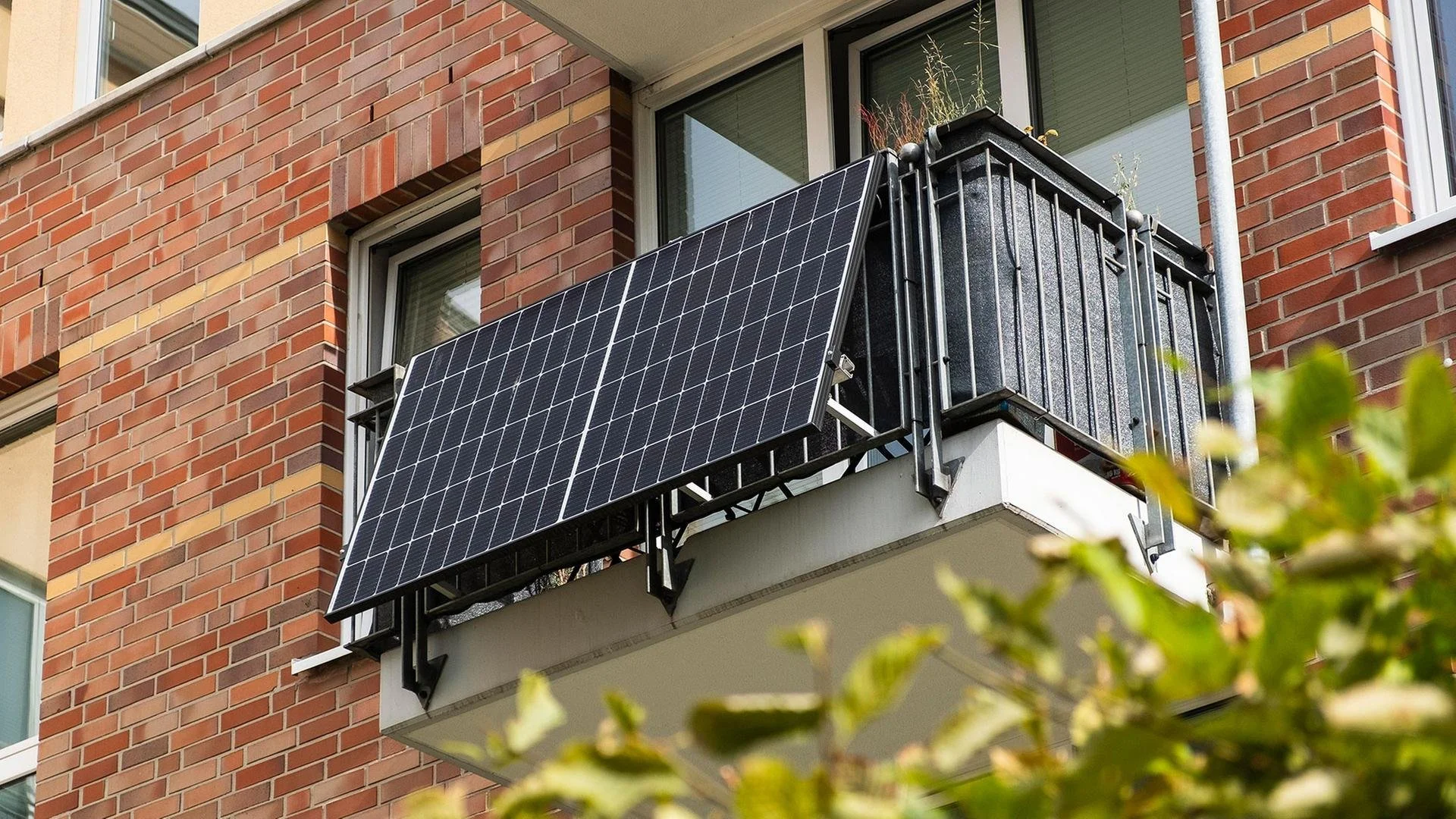
A balcony solar system
If you’d like a more in-depth explainer about plug-in solar, you might be interested in this video from Plug In Solar Explained.
Why plug-in solar isn't a silver bullet
Plug-in solar panels are great, but they're not for everyone. While this legislation is a major step forward, it’s worth setting realistic expectations:
Seasonal Limits: Coming into force in late August means generation will naturally decline as we head into autumn and winter.
Space Requirements: You still need access to a sunlit balcony, terrace, or suitable outdoor area. And you may need permission from a landlord or freeholder to put panels in place.
Setup Effort: While you won't need an electrician, physically mounting and securing panels safely isn't entirely trivial.
But Windfall is a battery company?
Plug-in batteries didn't make it into this specific round of legislation, but the Department for Energy Security and Net Zero (DESNZ) is actively working on them, and they could be an even bigger deal than solar.
Unlike solar panels, a small home battery doesn't depend on weather, sunlight, or outdoor space. It can be set up in any home, anywhere. This really is a step forward that targets the households who need it most.
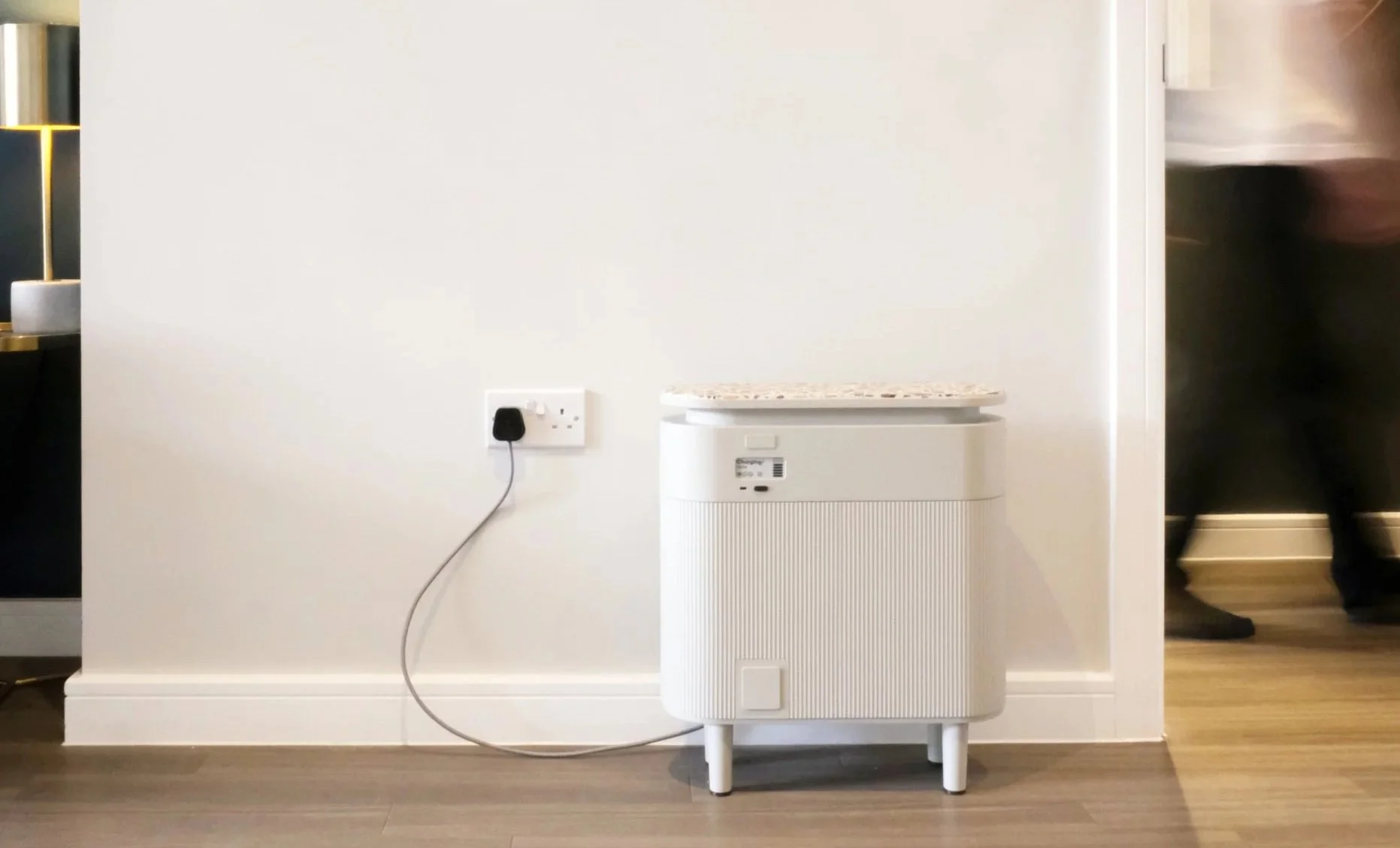
The Windfall plug-in battery
A compact plug-in battery can be plugged into any room of any home. It just goes into a normal socket, and automatically charges using the cheapest off-peak electricity. During peak hours, your home draws power from the battery instead of the grid, saving you hundreds of pounds a year on bills.
Where plug-in solar helps those with outdoor space, plug-in batteries could help literally anyone with a wall socket.
When can I get a plug-in battery?
Plug-in solar products have been available in Europe for the last few years and we can now expect to see those same products coming to the UK.
As outlined above, those plug-in solar products will only be in line with regulations from the 27th August 2026.
There hasn’t been a date set for when plug-in battery regulations will be updated in the UK, but given the impressive pace of this latest policy reform we’re hopeful that it will be sooner rather than later. Our best guess at the moment is later in 2026.
We will continue to push government and the energy sector to make the necessary changes in order to make low-cost off-peak power accessible to every household in the UK.
If you’d like to be the first to know when the Windfall Battery is available you can sign up to our updates here.
¹ If you’d like to see the full legislation change, you can see the Statutory Instrument updating The Plugs and Sockets etc. (Safety) Regulations 1994 and Electricity Safety, Quality and Continuity Regulations 2002 (Amendment) Regulations 2026 here:
